
Keyword Research for New Websites (0 Authority SEO Strategy to Rank Faster in 2026)
Struggling to rank your new website on Google? This guide shows exactly how to find low competition keywords, build topical authority, and start getting traffic without backlinks.
Quick Navigation: Finding Keywords · Keyword Clustering · Topic Clusters · SEO Growth Roadmap
Author: Hassan – SEO Researcher · Updated April 2026 · Part 1 of 4
Quick Keyword Research Checklist for New Websites
- Focus on low competition long-tail keywords
- Analyze SERP before targeting any keyword
- Target problem-based and beginner queries
- Use keyword clustering to group topics
- Build internal links between related articles
- Publish consistently within one niche
Why Keyword Research Fails for Brand New Websites
Keyword research is often taught from the perspective of established websites. Most tutorials assume your site already has backlinks, authority, and trust in search engines.
Related SEO guides: Keyword Difficulty Explained, SERP Competition Analysis, Keyword Clustering Framework.
For brand new websites, this assumption is dangerous.
A new domain enters Google’s index with:
- No backlinks
- No historical trust
- No topical authority
- No engagement signals
Yet beginners are often told to target keywords with:
- High search volume
- Commercial intent
- Medium competition
This mismatch leads to frustration because the content may be well written, but it never ranks.
Understanding ranking difficulty is critical here. If you haven’t read it yet, start with the Keyword Difficulty Explained guide.

Keyword research for new websites requires an entirely different mindset — one focused on survivability, not domination.
If your website is already live but not getting traffic, read our SEO traffic recovery guide.
What “Zero Authority” Really Means in SEO
Zero authority does not mean Google is penalizing your site. It simply means Google has no reason to trust you yet.
Authority is built through:
- Consistent topical content
- User engagement
- Internal linking
- Time and crawl history
- Eventually, backlinks
A new website has none of these signals initially.
This is why Google is extremely cautious when ranking new domains for competitive queries.
If you try to compete directly with high-authority sites, Google will almost always favor:
- Established brands
- Older domains
- Pages with strong backlink profiles
This concept ties closely into SERP Competition Analysis, where you evaluate *who* you are competing against — not just keywords.

For new websites, keyword research must focus on trust-building queries, not traffic volume.
The Biggest Keyword Research Mistakes New Websites Make
1. Chasing Search Volume Instead of Opportunity
High search volume keywords are attractive, but volume alone does not equal traffic.
If the top results are dominated by authoritative sites, your chances of ranking are near zero.
2. Ignoring Search Intent
Many new websites target keywords without understanding why users are searching.
Search intent analysis is covered in depth in the Search Intent Mapping Framework.
3. Targeting Generic Head Terms
Keywords like “SEO,” “keyword research,” or “digital marketing” are unrealistic targets for new domains.
4. Publishing Random Articles
Without keyword mapping and clustering, content becomes scattered and fails to build topical authority.
This leads to weak internal linking and diluted relevance — a problem explained in the Keyword Clustering Framework.

Avoiding these mistakes alone puts your website ahead of 80% of beginners.
The 0 Authority Keyword Opportunity Model
Keyword research for new websites is not about “best keywords.” It is about *winnable keywords*.
A 0-authority keyword opportunity has three core characteristics:
- Low competition in SERPs
- Clear, narrow search intent
- Existing ranking pages with weaknesses
These keywords usually appear as:
- Long-tail queries
- Problem-based searches
- Specific how-to questions
- Niche informational topics
This strategy aligns closely with the Low Competition Keywords Guide.
Instead of asking:
“How many people search for this keyword?”
You should ask:
“Can I realistically outperform the current top results?”

This mindset shift is the foundation of every successful new SEO site.
Realistic Ranking Expectations for New Websites
One of the biggest mistakes new site owners make is expecting fast results.
A realistic timeline looks like this:
- First 1-2 months: Indexing and discovery
- Month 3-4: Early impressions and low-position rankings
- Month 5-6: First page entries for low-competition keywords
- Month 6+: Compounding growth through topical authority
This only works if keyword research is done correctly from day one.
Publishing 20-40 well-planned articles targeting low-competition queries can create a strong foundation.
Each article strengthens internal linking, topical relevance, and crawl depth.

In Part 2, we will dive into:
- How to find low competition keywords step-by-step
- Using Google SERPs instead of paid tools
- Keyword patterns that new websites can rank for
How to Find Low Competition Keywords
If your pages are not ranking, check our technical SEO guide to fix crawl and indexing issues.
Finding low competition keywords is one of the most important skills for brand new websites. Because new domains have no authority or backlink profile, competing for high difficulty keywords is unrealistic.
Instead of chasing high search volume, the focus should be on identifying search queries where the existing competition is weak. These opportunities allow new websites to enter search results and gradually build authority.
Low competition keywords usually share several characteristics:
- Specific long-tail search queries
- Lower but consistent search demand
- Weak or outdated content ranking in search results
- Small blogs or forums appearing in the top results
Many beginners rely only on keyword tools to measure competition. However, keyword difficulty scores often rely heavily on backlink data and may not accurately reflect real ranking opportunities.
Instead, analyzing the actual search results provides much better insights. This process is explained in more detail in the SERP Competition Analysis guide.

When you focus on realistic ranking opportunities instead of search volume, your chances of gaining early SEO traction increase dramatically.
Using Google SERP Analysis to Evaluate Keyword Competition
Search engine results pages provide valuable information about how difficult a keyword will be to rank for.
Before targeting a keyword, always examine the top ranking pages.
Look at the following factors:
- The authority of the ranking websites
- The quality of the existing content
- The freshness of the content
- The overall depth of the information
If the first page contains results from major websites such as large media companies, established brands, or authoritative industry publications, ranking for that keyword may be extremely difficult for a new site.
However, if the search results contain smaller websites, niche blogs, or user-generated content platforms, there may be a ranking opportunity.
Common signs of low competition include results from platforms such as:
- Quora
- Small personal blogs
- Thin or outdated content pages
These signals indicate that Google does not yet have strong content for the query, which means a well structured article may be able to rank.

Learning to analyze SERPs manually is often more effective than relying entirely on automated keyword difficulty scores.
Why Long Tail Keywords Are Perfect for New Websites
Long tail keywords are longer and more specific search queries that often have lower competition.
Examples include:
- keyword research for brand new websites
- how to find low competition keywords for SEO
- keyword research strategy for beginners
- SEO keyword research step by step
Although individual long-tail keywords may have smaller search volumes, they offer several advantages for new websites.
Advantages of Long Tail Keywords
- Lower competition compared to broad keywords
- More specific search intent
- Higher engagement from users
- Better chances of ranking quickly
Many successful SEO websites initially grow by targeting dozens of long-tail keywords before attempting to rank for more competitive phrases.
Targeting long-tail keywords is also closely connected to strategies discussed in the Low Competition Keywords guide.

Over time, ranking for many long-tail keywords can generate significant organic traffic.
To go deeper, check our low competition keyword strategy.
Manual Keyword Discovery Methods
While keyword tools can be useful, many valuable keyword opportunities can be discovered manually using search engines.
Google Autocomplete
When you begin typing a query into the Google search bar, autocomplete suggestions appear automatically.
These suggestions reflect common searches performed by users and can reveal useful long-tail keyword ideas.
People Also Ask Questions
Google frequently displays a "People Also Ask" section in search results. These questions represent related queries that users commonly search.
Each question can potentially become a separate section within your article or even an entire blog post.
Related Searches
At the bottom of most search results pages, Google shows related search queries.
These suggestions often reveal additional keyword variations and related topics that users are interested in.

Combining autocomplete suggestions, related searches, and SERP analysis can help build a strong list of keyword opportunities without relying entirely on SEO tools.
Keyword Patterns That New Websites Should Target
Certain keyword structures consistently provide good ranking opportunities for new websites.
Question-Based Keywords
- how to do keyword research
- what is keyword difficulty
- why keyword research is important
Beginner-Focused Keywords
- SEO for beginners
- keyword research guide for beginners
- basic SEO strategies
Problem-Solving Queries
- why my website is not ranking
- how to find low competition keywords
- SEO mistakes beginners make
Step-by-Step Guides
- SEO keyword research step by step
- how to analyze SERP competition
- how to build SEO content clusters
These types of queries work well because they clearly reflect user intent and allow you to provide highly targeted content.
Keyword grouping techniques like these are discussed further in the Keyword Clustering Framework.

In the next section of this guide, we will explore how to organize these keywords into topic clusters and structured content strategies.
What Is Keyword Clustering in SEO?
Keyword clustering is the process of grouping related search queries together so they can be targeted within a single piece of content.
Instead of creating separate pages for every keyword variation, clustering allows a single article to rank for multiple related search queries.
For example, the following keywords all represent a similar search intent:
- keyword research for new websites
- SEO keyword research strategy
- how to find keywords for SEO
- keyword research guide for beginners
Because these queries are closely related, they can often be addressed within the same article.
Search engines have become increasingly advanced at understanding semantic relationships between keywords. This means a well-structured page can rank for dozens or even hundreds of related search queries.
The full process of grouping keywords is explained in detail in the Keyword Clustering Framework.

Keyword clustering helps expand the ranking potential of a single page while preventing unnecessary duplication of content.
Next, learn how to group keywords using our keyword clustering framework.
Building Topic Clusters for New Websites
Topic clusters are a modern SEO content architecture strategy used to organize related articles around a central topic.
Instead of publishing unrelated blog posts, websites create a structured content ecosystem where multiple pages support a broader theme.
A typical topic cluster includes three main elements:
- A pillar article that covers the main topic
- Supporting articles targeting related subtopics
- Internal links connecting all related pages
For example, an SEO topic cluster about keyword research might include articles such as:
- Keyword Research Guide
- Low Competition Keywords
- Keyword Difficulty Explained
- SERP Competition Analysis
- Keyword Clustering Framework
Each article targets a specific keyword group while linking to the main pillar page.
This interconnected structure helps search engines understand the relationship between pages and strengthens topical relevance.

Topic clusters are one of the most powerful ways for new websites to build authority in a specific niche.
You can also explore our complete ecommerce SEO audit guide to apply these strategies in real scenarios.
Keyword Mapping: Assigning Keywords to Pages
Keyword mapping is the process of assigning specific keywords or keyword clusters to individual pages on a website.
Without proper keyword mapping, websites often publish multiple articles targeting the same search query.
This can confuse search engines and weaken the ranking potential of both pages.
A simple keyword mapping structure might look like this:
| Page | Primary Keyword | Supporting Keywords |
|---|---|---|
| Keyword Research Guide | keyword research | SEO keyword research, keyword research process |
| Low Competition Keywords | low competition keywords | easy keywords to rank for, beginner SEO keywords |
| SERP Competition Analysis | SERP competition analysis | how to analyze SERP, keyword competition analysis |
This strategy ensures every page has a clearly defined purpose and avoids overlap between topics.

When implemented correctly, keyword mapping improves site structure and helps search engines understand your website more clearly.
Avoiding Keyword Cannibalization
Keyword cannibalization occurs when multiple pages on the same website target the same keyword or very similar search queries.
Instead of helping rankings, this situation causes the pages to compete with each other.
For example, imagine publishing two articles targeting these keywords:
- keyword research for beginners
- SEO keyword research guide
If both articles cover nearly identical content, search engines may struggle to determine which page should rank.
As a result, both pages may perform poorly.
To avoid keyword cannibalization:
- Assign unique keyword targets for each page
- Combine overlapping topics into one comprehensive article
- Use internal links to clarify relationships between pages
Search intent analysis also helps determine when keywords should be combined or separated. This concept is explained in the Search Intent Mapping Framework.

Preventing cannibalization keeps your content organized and strengthens the ranking potential of each page.
Building Topical Authority with Keyword Clusters
Topical authority refers to the level of expertise and credibility a website demonstrates on a specific subject.
Search engines prefer ranking websites that consistently publish high-quality content around a focused topic.
For example, a website that publishes many articles related to SEO topics such as:
- keyword research
- search intent
- SERP analysis
- keyword clustering
- SEO content strategy
will gradually build authority within the SEO niche.
As this authority grows, ranking for more competitive keywords becomes easier.
New websites should focus on publishing multiple articles within a single niche rather than covering many unrelated topics.

In the final part of this guide, we will explore how to publish content strategically, build strong internal linking structures, and scale SEO traffic from zero to consistent organic growth.
Publishing Strategy for Brand New Websites
To avoid technical issues while scaling content, follow our technical SEO checklist.
Keyword research alone does not guarantee rankings. For new websites, the way content is published and organized also plays a critical role in SEO success.
One of the most effective strategies for new websites is to publish multiple articles within a focused topic cluster rather than releasing random content across unrelated subjects.
Search engines analyze patterns across a website. When multiple articles cover related topics, the website begins to demonstrate expertise within that subject area.
This helps search engines build trust in the website over time.
Recommended Publishing Strategy
- Choose one niche topic
- Research 20-40 low competition keywords
- Publish multiple articles targeting those keywords
- Link all related articles together
Publishing a cluster of related articles allows search engines to understand the depth of coverage on your website.

Over time, this structured content approach builds topical authority and improves ranking potential.
The Importance of Internal Linking
Internal linking is one of the most powerful SEO techniques for new websites.
Since new websites often lack backlinks, internal links help distribute authority across pages and strengthen relationships between topics.
Each article should naturally link to other relevant articles within your website.
For example, an article about keyword research may link to related guides such as:
These internal links help search engines understand how different pages relate to each other.
They also improve the user experience by guiding readers toward additional helpful resources.
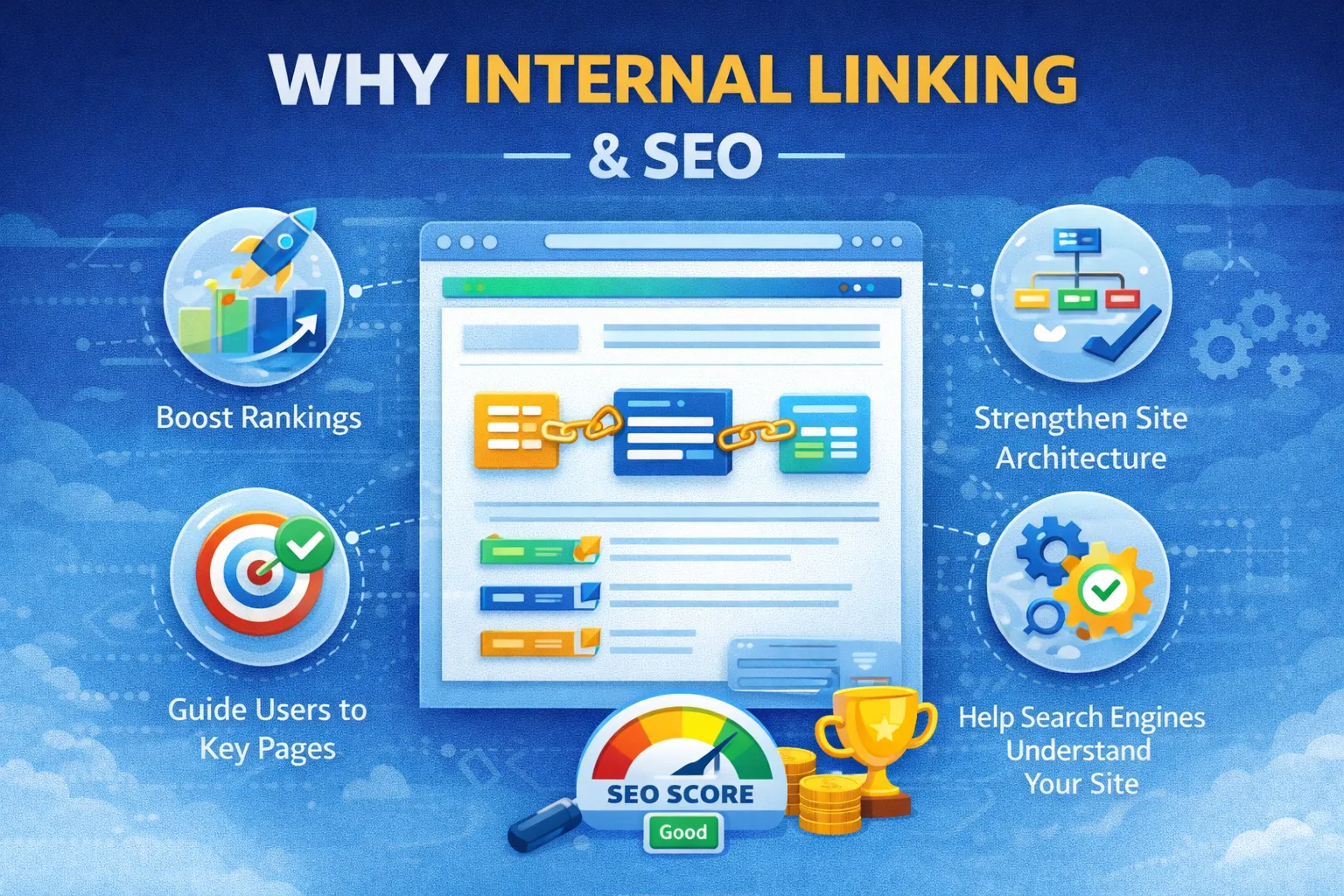
A strong internal linking structure can significantly improve the visibility of new content.
Content Velocity and Consistency
Content velocity refers to the rate at which new content is published on a website.
For brand new websites, publishing consistently is more important than publishing large volumes of content all at once.
Search engines prefer websites that update regularly and demonstrate ongoing activity.
A realistic content schedule for new websites might include:
- 2-3 articles per week
- 10-12 articles per month
- 30-40 articles within the first six months
This consistent publishing pattern helps search engines crawl the website more frequently and discover new content faster.

Over time, a growing content library increases the chances of ranking for a wide range of search queries.
SEO Growth Roadmap: From 0 to Consistent Organic Traffic
SEO growth rarely happens overnight. Instead, it follows a gradual process as search engines begin to trust a website.
A typical growth timeline for new websites may look like this:
- Month 1-2: Indexing and initial crawling
- Month 3-4: Early impressions and low position rankings
- Month 5-6: Traffic from long-tail keywords
- Month 6-12: Growth through topical authority
As more content is published and internal links strengthen the site structure, ranking potential increases.
Eventually, the website may begin ranking for more competitive keywords.

Patience and consistency are key factors in this process.
Final Conclusion: Keyword Research Strategy for New Websites
Keyword research for brand new websites requires a different strategy compared to established domains.
Instead of targeting highly competitive keywords, new websites should focus on identifying low competition opportunities that provide realistic ranking potential.
By targeting long-tail keywords, analyzing search results, and organizing content into topic clusters, new websites can gradually build authority within their niche.
Internal linking, consistent publishing, and strategic keyword mapping further strengthen the overall SEO framework.
Over time, this structured approach allows new websites to expand their rankings and compete for more competitive search queries.
SEO success rarely happens instantly, but with the right keyword strategy and consistent effort, even brand new websites can achieve significant organic traffic growth.
Want a checklist? Follow the steps above to apply this strategy immediately.
We are preparing a downloadable checklist to help you apply this strategy step-by-step.
Frequently Asked Questions About Keyword Research for New Websites
What is keyword research in SEO?
Keyword research is the process of finding search terms that people use in Google so you can create content that ranks and drives traffic.
Can brand new websites rank on Google?
Yes. New websites can rank by targeting low competition keywords, publishing high-quality content, and building topical authority over time.
What are low competition keywords?
Low competition keywords are search queries with weaker competition in search results, making them easier for new websites to rank for.
Why are long-tail keywords important for new websites?
Long-tail keywords are more specific, have lower competition, and provide better chances of ranking for new websites.
How do I find keywords for a new website?
You can find keywords using Google autocomplete, related searches, and manual SERP analysis to identify low competition opportunities.
What is the best keyword strategy for a new website?
The best strategy is targeting low competition long-tail keywords and building topic clusters around a specific niche.
How long does SEO take for new websites?
Most new websites start seeing initial rankings within 3-6 months, depending on content quality and consistency.
Why do new websites struggle to rank on Google?
New websites lack backlinks, authority, and historical trust, which makes it harder to compete with established sites.
What is keyword clustering?
Keyword clustering is the process of grouping related keywords together so one page can rank for multiple search queries.
Should new websites target high search volume keywords?
No. New websites should focus on low competition keywords first before targeting high-volume competitive keywords.
How many articles should a new website publish?
Publishing 20-40 well-structured articles within a niche helps build topical authority and improves ranking potential.
This guide belongs to our structured SEO system covering keyword research, SERP analysis, technical SEO, and migration strategies.
Explore Full Framework →Need help applying this to your site?
If you're launching a new website and need a site-specific review, you can request an SEO audit covering technical SEO, Google Search Console, content and search intent.