
Keyword Difficulty Explained (2026): How to Find EASY SEO Keywords That Actually Rank
Author: Hassan – SEO Researcher · Updated April 2026 · 18 min read
What Is Keyword Difficulty?
Keyword difficulty is an SEO metric used to estimate how hard it is to rank for a specific search query in Google search results.
Most SEO tools calculate keyword difficulty by analyzing the strength of the pages currently ranking on the first page of Google.
These calculations usually consider factors such as:
- Number of backlinks pointing to ranking pages
- Domain authority of competing websites
- Content depth and quality
- Search intent alignment
In simple terms, keyword difficulty helps SEO professionals determine whether a keyword is realistic to target.
For example, a highly competitive keyword such as:
- SEO strategy
- digital marketing
- keyword research
may require thousands of backlinks and strong domain authority to rank.
However, long-tail keywords such as:
- keyword research strategy for beginners
- how to choose easy SEO keywords
- low competition keywords for new websites
are significantly easier for newer websites to rank.
This concept is closely related to your Low Competition Keywords guide which explains how new websites build early rankings.

Understanding keyword difficulty allows SEO professionals to prioritize ranking opportunities with the highest probability of success.
Why Keyword Difficulty Matters in SEO
One of the most common mistakes beginners make in SEO is targeting extremely competitive keywords too early.
Large websites dominate competitive keywords because they possess strong authority signals.
These signals include:
- High domain authority
- Large backlink profiles
- Established brand recognition
- Extensive content libraries
Because of these advantages, search engines often prioritize trusted domains when ranking competitive keywords.
For example, websites such as:
- HubSpot
- Search Engine Journal
- Ahrefs Blog
- Moz
frequently dominate highly competitive SEO queries.
New websites must therefore adopt a strategic approach by targeting keywords with lower difficulty levels.
This strategy works best when combined with strong topical clusters like the Keyword Clustering Framework.

How Keyword Difficulty Is Calculated
Different SEO platforms calculate keyword difficulty using proprietary algorithms.
Popular SEO tools such as:
- Ahrefs
- SEMrush
- Mangools
- Ubersuggest
analyze search results and estimate how difficult it will be to outrank existing pages.
Although each tool uses different formulas, most calculations include:
- Backlink strength of ranking pages
- Authority of ranking domains
- Content relevance
- Search intent matching
These factors help SEO tools approximate the competition level of a keyword.
However, it is important to remember that keyword difficulty scores are only estimates.
Manual SERP analysis is still necessary to confirm whether a keyword is truly easy to rank.

Keyword Difficulty Scale Explained
Most SEO tools measure keyword difficulty on a scale from 0 to 100.
| Keyword Difficulty | Competition Level | Ranking Opportunity |
|---|---|---|
| 0–10 | Very Low | Excellent for new websites |
| 11–30 | Low | Possible with good content |
| 31–60 | Moderate | Requires authority |
| 61–100 | Very High | Difficult for most websites |
For new websites, the safest strategy is targeting keywords within the 0–20 difficulty range.
These keywords typically have weaker competition and provide faster ranking opportunities.
Why New Websites Struggle With Difficult Keywords
Search engines evaluate websites based on trust signals developed over time.
New websites often struggle to rank because they lack important ranking signals such as:
- Backlinks
- Brand recognition
- Domain history
- Topical authority
Because of this, targeting high difficulty keywords immediately rarely produces results.
Instead, new websites should begin with easier keywords that allow them to gain initial rankings and build trust with search engines.
This gradual strategy is explained in the Low Competition Keywords guide.

Real Ranking Examples
Many successful SEO websites started by targeting very specific long-tail keywords.
For example, instead of targeting the competitive keyword:
keyword research
a newer website might target:
- keyword research strategy for beginners
- how to validate keyword difficulty
- best keyword research workflow for new websites
Each of these queries represents a lower difficulty opportunity.
When combined with strong internal linking and cluster content, these pages can gradually build topical authority across an entire subject area.

Strategic Summary (Part 1)
Keyword difficulty is one of the most important metrics when selecting SEO keywords.
By targeting keywords with realistic competition levels, websites can dramatically increase their chances of ranking in search results.
In Part 2, we will explore:
- How to manually analyze keyword difficulty
- SERP competition analysis framework
- How to identify weak competitors
- How to validate easy keywords before publishing
How to Analyze Keyword Difficulty Manually (SERP Analysis Framework)
Although SEO tools provide keyword difficulty scores, the most reliable way to evaluate keyword competition is through manual analysis of Google search results.
Professional SEO strategists always analyze the search engine results page (SERP) before deciding whether to target a keyword.
Manual SERP analysis helps determine whether your website has a realistic chance of ranking.

When evaluating keyword difficulty manually, focus on three important signals:
- Strength of ranking websites
- Content quality of ranking pages
- Search intent alignment
These signals often reveal opportunities that SEO tools cannot detect.
Step 1: Analyze Ranking Domains
The first step in SERP analysis is evaluating the authority of the websites ranking on the first page of Google.
Search your target keyword in an incognito browser window and review the top 10 results.
Ask yourself the following questions:
- Are large authority websites dominating the results?
- Are smaller niche blogs ranking?
- Do forum pages or community discussions appear?
If the search results are dominated by large authority websites such as:
- HubSpot
- Search Engine Journal
- Ahrefs Blog
- Moz
then the keyword is likely highly competitive.
However, if you see smaller websites, niche blogs, or forums ranking on the first page, the keyword may present a realistic ranking opportunity.
This strategy aligns with the ranking approach explained in the Low Competition Keywords guide.

Step 2: Analyze Content Quality
The second step in keyword difficulty evaluation is reviewing the quality of the content currently ranking.
Many pages rank simply because there is limited competition or because the topic has not yet been covered comprehensively.
While reviewing ranking pages, evaluate the following:
- Content depth and comprehensiveness
- Logical structure using headings
- Presence of images and diagrams
- Topical coverage completeness
If the ranking content appears outdated or poorly structured, this often represents a strong opportunity to create a better resource.
Google frequently rewards the most comprehensive and well-structured content.
This approach supports the topical authority strategy discussed in the Keyword Clustering Framework.

Step 3: Validate Search Intent
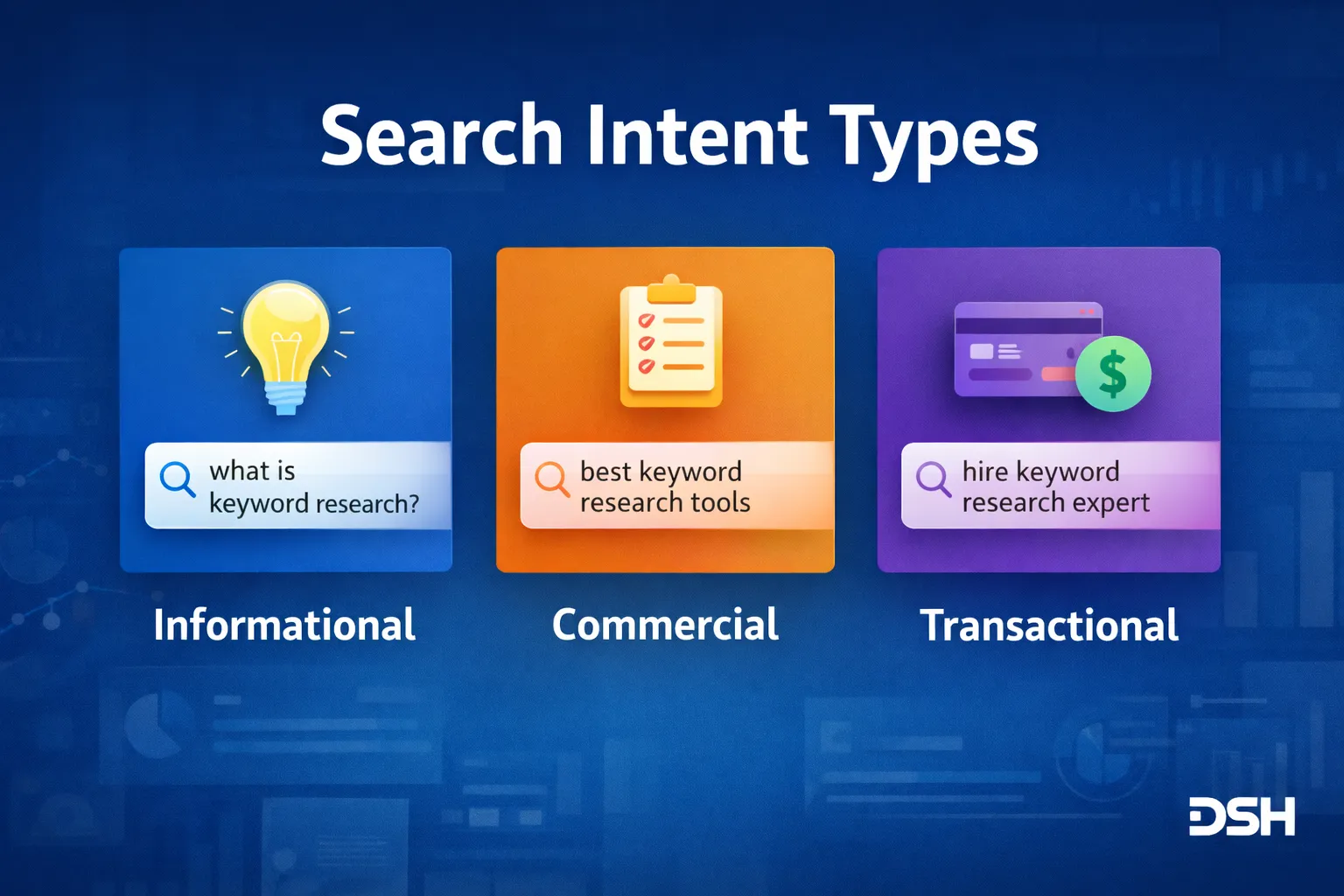
Search intent refers to the reason behind a user’s search query.
Before targeting a keyword, it is important to confirm that your content matches the intent of the search results.
Google typically classifies search intent into four categories:
- Informational
- Navigational
- Commercial
- Transactional
For example, the keyword:
keyword difficulty explained
clearly represents informational search intent.
This means the search results will prioritize educational content rather than product pages.
If your article matches the dominant search intent, the probability of ranking increases significantly.
This process is explained in more detail in the Search Intent Mapping framework.
Identifying Weak Competitors
One of the most effective ways to identify easy keywords is by spotting weak competitors in the search results.
Weak competitors often appear in SERPs when:
- Pages have very few backlinks
- Content is outdated
- Articles are poorly structured
- Search intent is only partially satisfied
If several ranking pages show these weaknesses, it indicates a strong opportunity to outrank them with better content.
For example, a well structured article that includes:
- Clear headings
- Comprehensive explanations
- Relevant diagrams
- Internal linking to cluster articles
can easily outperform weaker pages.

Important SERP Signals to Watch
Several SERP features can also indicate the difficulty level of a keyword.
When analyzing a keyword, observe whether the search results contain:
- Featured snippets
- People Also Ask questions
- Video results
- Forum discussions
These signals reveal additional opportunities to capture search visibility.
For example, including a structured FAQ section increases the chance of appearing in People Also Ask results.
Similarly, clear headings and concise answers improve the chances of capturing featured snippets.

Strategic Summary (Part 2)
Keyword difficulty cannot be evaluated using tools alone.
Manual SERP analysis provides deeper insights into the true competition level of a keyword.
By analyzing ranking domains, content quality, and search intent alignment, SEO professionals can identify realistic ranking opportunities.
In Part 3, we will explore advanced strategies including:
- Using SEO tools to evaluate keyword competition
- Backlink analysis methods
- Competitor keyword research
- Scaling keyword difficulty strategies
Using SEO Tools to Evaluate Keyword Difficulty
SEO tools simplify keyword research by estimating how difficult it may be to rank for specific search queries.
Most keyword research platforms analyze the strength of ranking pages and assign a keyword difficulty score.
Popular SEO tools used by professionals include:
- Ahrefs
- SEMrush
- Mangools (KWFinder)
- Ubersuggest
These tools analyze multiple ranking signals such as backlinks, domain authority, and search competition.
While these tools provide valuable insights, keyword difficulty scores should always be combined with manual SERP analysis.

Backlink Competition Analysis
Backlinks remain one of the strongest ranking signals used by search engines.
When evaluating keyword difficulty, it is important to examine the backlink profiles of the pages currently ranking on the first page of Google.
Ask the following questions:
- How many backlinks do ranking pages have?
- Are those backlinks coming from authoritative websites?
- Do several pages have very few backlinks?
If many ranking pages have weak backlink profiles, this often indicates a strong opportunity for new websites.
In contrast, keywords where ranking pages have hundreds or thousands of backlinks may require significant authority to compete.

Backlink analysis is especially useful when identifying low competition keywords, as explained in the Low Competition Keywords strategy guide.
Competitor Keyword Research
Another effective method for evaluating keyword difficulty is analyzing the keywords your competitors already rank for.
Instead of starting keyword research from scratch, SEO professionals often reverse engineer competitor rankings.
The process typically includes:
- Identifying competing websites
- Extracting their ranking keywords
- Analyzing keyword difficulty and search volume
- Targeting keywords with lower competition
This approach helps uncover hidden keyword opportunities that may not appear in traditional keyword research tools.
Competitor keyword analysis is explained in detail in the Competitor Keyword Gap Analysis guide.

Long-Tail Keyword Opportunities
Long-tail keywords represent one of the most effective ways to target lower difficulty search queries.
These keywords are typically longer and more specific search phrases.
For example, instead of targeting a broad keyword like:
keyword research
a website could target long-tail variations such as:
- keyword research strategy for beginners
- how to validate keyword difficulty
- keyword research workflow for small websites
Long-tail keywords often have lower competition because fewer websites specifically target them.
Additionally, these queries usually represent stronger search intent, which can improve conversion potential.
This strategy complements the Long-Tail Keyword Strategy guide.

Building Topical Authority Around Easy Keywords
Keyword difficulty becomes easier to overcome when websites build strong topical authority.
Topical authority refers to a website’s depth of coverage within a specific subject area.
Instead of publishing isolated articles, modern SEO strategies focus on creating topic clusters.
For example, a topical cluster around keyword research might include:
- Keyword Research Guide
- Low Competition Keywords
- Keyword Clustering Strategy
- Keyword Difficulty Explained
- Search Intent Mapping
Each article supports the others through internal linking, strengthening the website’s authority across the topic.
This structure improves both search engine understanding and user navigation.

Scaling Your Keyword Difficulty Strategy
Once you understand how to evaluate keyword difficulty, the next step is scaling your keyword strategy across multiple articles.
Successful SEO websites often publish dozens of related articles targeting different keyword variations.
For example, a single keyword difficulty topic could expand into articles such as:
- How to validate keyword difficulty manually
- How many backlinks are needed to rank
- How to analyze SERP competition
- Keyword research workflow for beginners
Each additional article expands your ranking footprint and increases the number of keywords your website can rank for.
Over time, this strategy compounds organic traffic growth.

Strategic Summary (Part 3)
Advanced keyword difficulty analysis combines multiple evaluation methods including SEO tools, backlink analysis, and competitor keyword research.
By combining these techniques with long-tail keyword strategies and topical authority clusters, websites can significantly improve their chances of ranking in search engines.
In Part 4, we will explore:
- Internal linking architecture
- Content optimization checklist
- 30 frequently asked SEO questions
- Complete structured data schema
Internal Linking Strategy for Keyword Difficulty Articles
Internal linking is one of the most powerful but often overlooked SEO strategies.
When related articles are connected through contextual links, search engines can better understand the topical relationships between pages.
For example, this article should link to other keyword research resources such as:
- Keyword Research Guide
- Low Competition Keywords Strategy
- Keyword Clustering Framework
- Search Intent Mapping Guide
These internal links strengthen topical authority and help distribute ranking signals across your SEO content ecosystem.

SEO Content Optimization Checklist
Publishing content alone does not guarantee rankings. Each article must be optimized to maximize its visibility in search results.
Use the following checklist before publishing any SEO article:
- Clear H1 headline containing the primary keyword
- Logical heading structure using H2 and H3 tags
- Internal links to related cluster pages
- External links to authoritative sources
- Optimized images with descriptive alt attributes
- Comprehensive coverage of the search topic
- FAQ section targeting question keywords
- Structured data schema markup
Following this checklist ensures every article contributes to your overall SEO strategy.

Frequently Asked Questions About Keyword Difficulty
1. What is keyword difficulty?
Keyword difficulty measures how challenging it is to rank for a specific keyword based on the strength of competing pages.
2. Why is keyword difficulty important?
It helps SEO professionals choose keywords with realistic ranking opportunities.
3. What is a good keyword difficulty for new websites?
New websites should typically target keywords with difficulty scores between 0 and 20.
4. How do SEO tools calculate keyword difficulty?
Most tools analyze backlinks, domain authority, and search result competition.
5. Can beginners rank for competitive keywords?
Beginners usually start with low competition keywords before targeting highly competitive terms.
6. Are long-tail keywords easier to rank?
Yes, long-tail keywords often have lower competition and clearer search intent.
7. What is SERP analysis?
SERP analysis involves reviewing the top ranking pages for a keyword to evaluate competition.
8. Do backlinks affect keyword difficulty?
Yes, pages with strong backlink profiles are typically harder to outrank.
9. Can new websites rank without backlinks?
Yes, especially for low competition keywords with weak competitors.
10. How many keywords should one article target?
An article should target one primary keyword and several related variations.
11. What is topical authority?
Topical authority refers to a website’s expertise within a specific subject area.
12. What is a keyword cluster?
A keyword cluster is a group of related keywords targeted within a single article.
13. What is a pillar page?
A pillar page is a comprehensive guide that links to multiple supporting cluster articles.
14. How long should SEO articles be?
Competitive SEO articles typically range between 3,000 and 5,000 words.
15. Do internal links improve rankings?
Yes, internal links help distribute authority and clarify topical relationships.
16. How often should SEO content be updated?
Content should usually be reviewed and updated every 6–12 months.
17. What is keyword cannibalization?
Keyword cannibalization occurs when multiple pages compete for the same keyword.
18. How long does SEO take to work?
SEO results typically appear within 3–6 months depending on competition.
19. What is semantic SEO?
Semantic SEO focuses on covering related concepts rather than repeating exact keywords.
20. Can small blogs compete with big websites?
Yes, by targeting niche topics and low competition keywords.
21. What tools help analyze keyword difficulty?
Popular tools include Ahrefs, SEMrush, Mangools, and Ubersuggest.
22. What is a keyword research strategy?
A keyword research strategy identifies search queries that match user intent and ranking opportunities.
23. What are zero search volume keywords?
These are emerging keywords that tools may not yet detect but can still generate traffic.
24. What is search intent?
Search intent describes the goal behind a user’s search query.
25. What is informational search intent?
Informational intent occurs when users search for knowledge or answers.
26. What is transactional search intent?
Transactional intent indicates a user intends to purchase or take action.
27. What is crawl budget?
Crawl budget refers to how frequently search engines crawl your website.
28. Does publishing more articles increase traffic?
Publishing high-quality articles expands the number of keywords your website can rank for.
29. How many articles should a new website publish?
Publishing 20–40 high-quality articles helps build topical authority.
30. What is the biggest SEO mistake beginners make?
Targeting highly competitive keywords without building topical authority first.
Final Strategic Summary
Keyword difficulty is one of the most important metrics when selecting SEO keywords.
By targeting keywords with realistic competition levels, websites can gradually build authority and improve their chances of ranking in search results.
A successful SEO strategy should include:
- Pillar pages covering broad topics
- Cluster articles targeting specific subtopics
- Internal links connecting related content
Over time, this structured approach strengthens topical authority and increases organic search visibility.
This guide belongs to our structured SEO system covering keyword research, SERP analysis, technical SEO, and migration strategies.
Explore Full Framework →