
Top 10 Freelancing Tips — Build Your Freelance Career in 2025
Author: Hassan | Date: 26 Nov 2025
Introduction
Freelancing is an increasingly popular career choice in 2025, offering flexibility, autonomy, and earning potential. However, competition is fierce, and success requires strategic planning, consistent skill-building, and professional networking. This guide provides actionable tips for freelancers to attract clients, build reputation, and sustain growth.
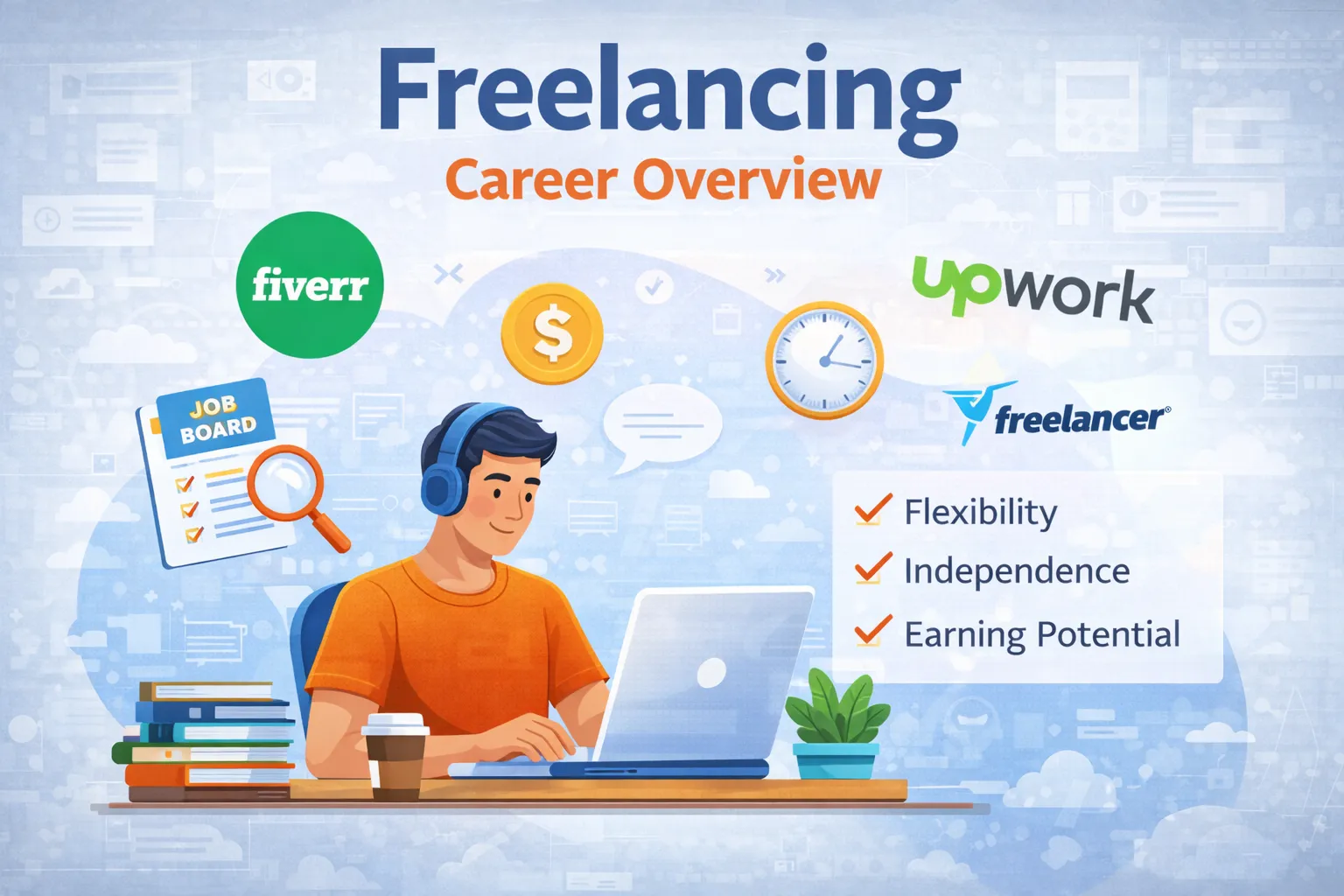
Tip 1: Define Your Niche
Choosing a specialized niche helps you stand out from general freelancers and positions you as an expert.
- Identify your strengths, skills, and areas of interest.
- Research market demand using Google Trends or Upwork Insights.
- Target industries where you can provide high-value services.
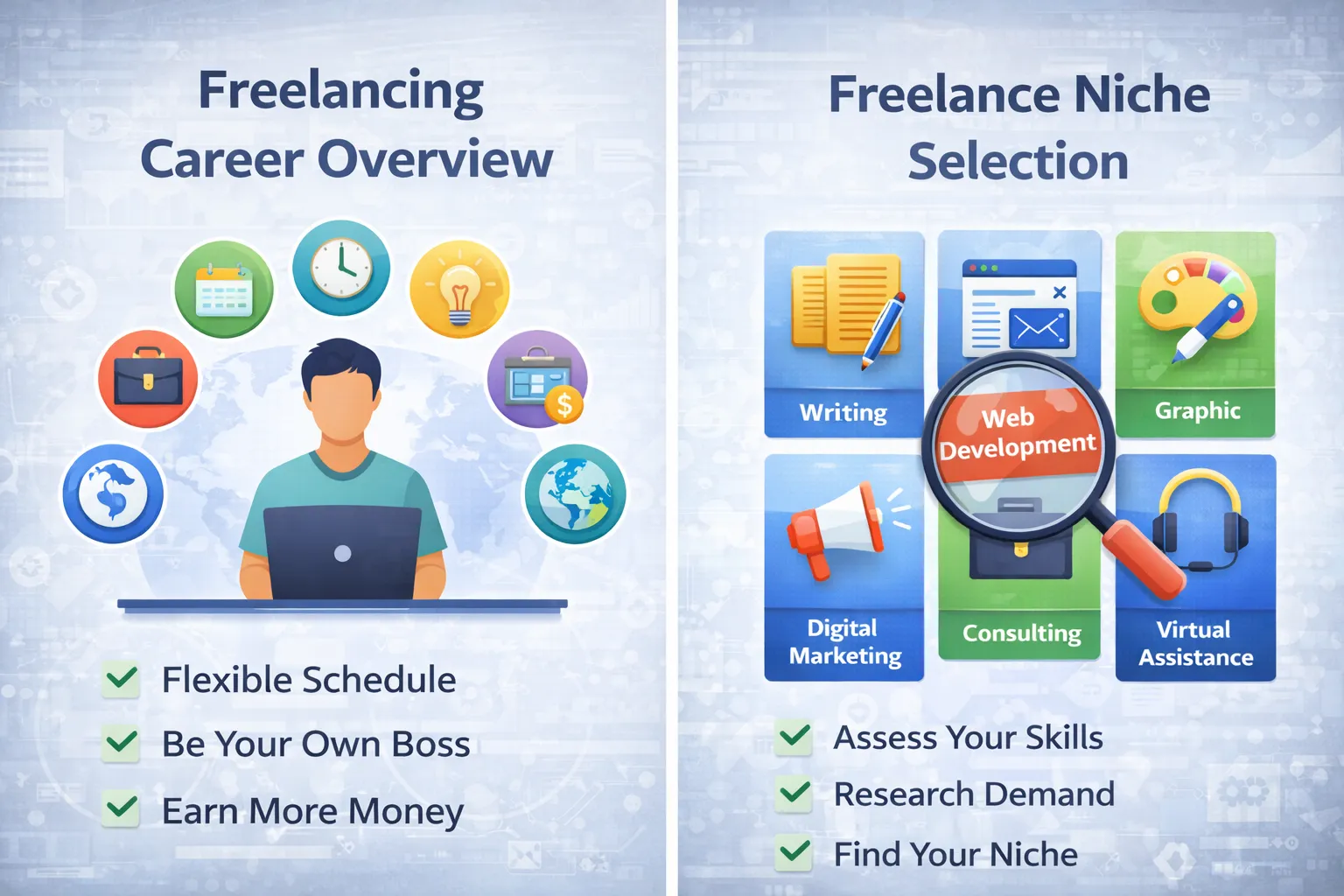
Tip 2: Build a Strong Portfolio
Your portfolio is your credibility. Showcase your best work and demonstrate results to potential clients.
- Include case studies, detailed project descriptions, and measurable results.
- Use visual elements like infographics, images, and videos.
- Host your portfolio on platforms like Behance or Dribbble for creative work.
- Keep your portfolio updated with new projects and testimonials.
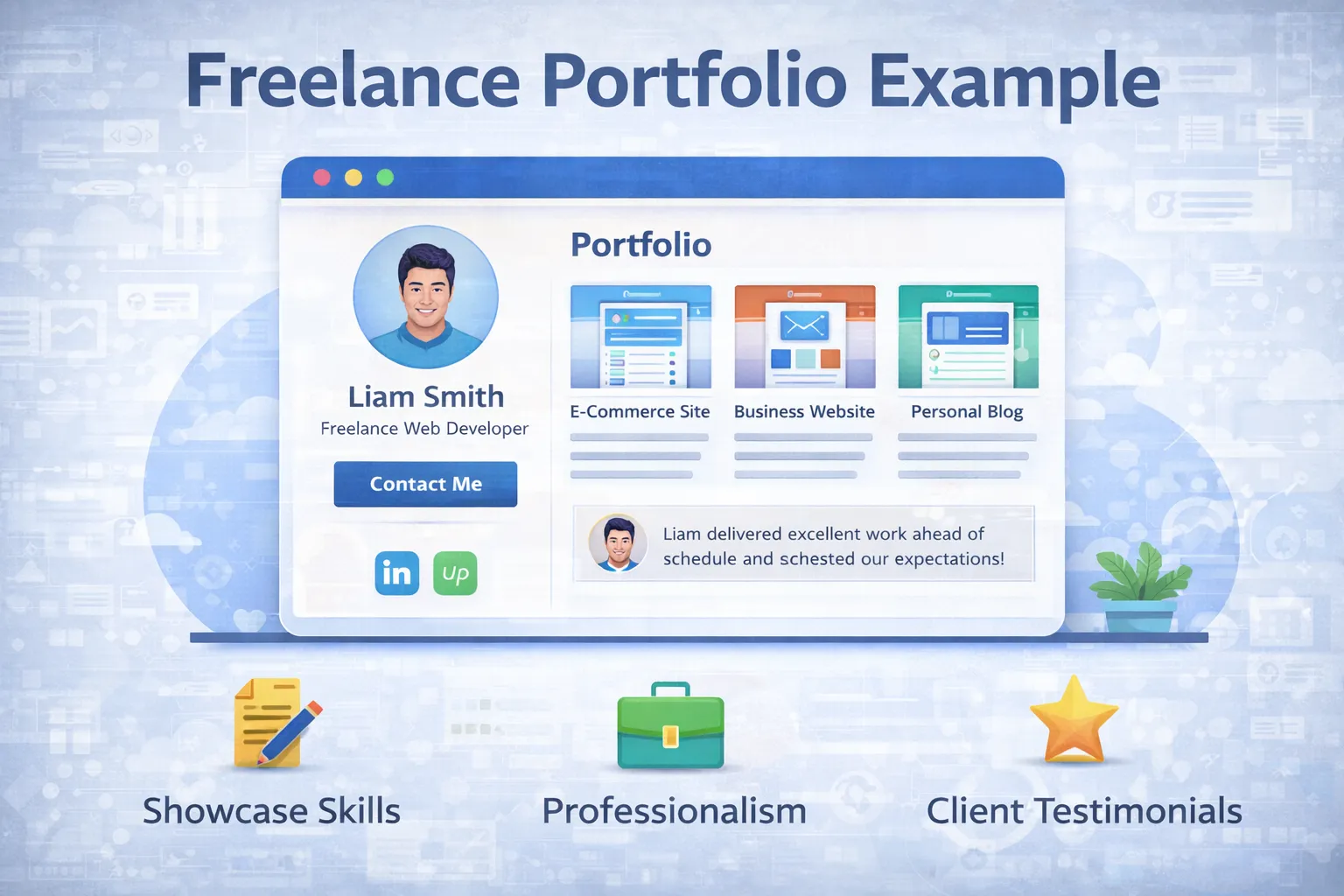
Tip 3: Effective Client Outreach
Proactive outreach is key to securing freelance projects.
- Personalize every email or message using client-specific information.
- Highlight how your skills solve the client’s problem.
- Follow-up professionally without being pushy.
- Leverage LinkedIn, Upwork, and industry communities for opportunities.
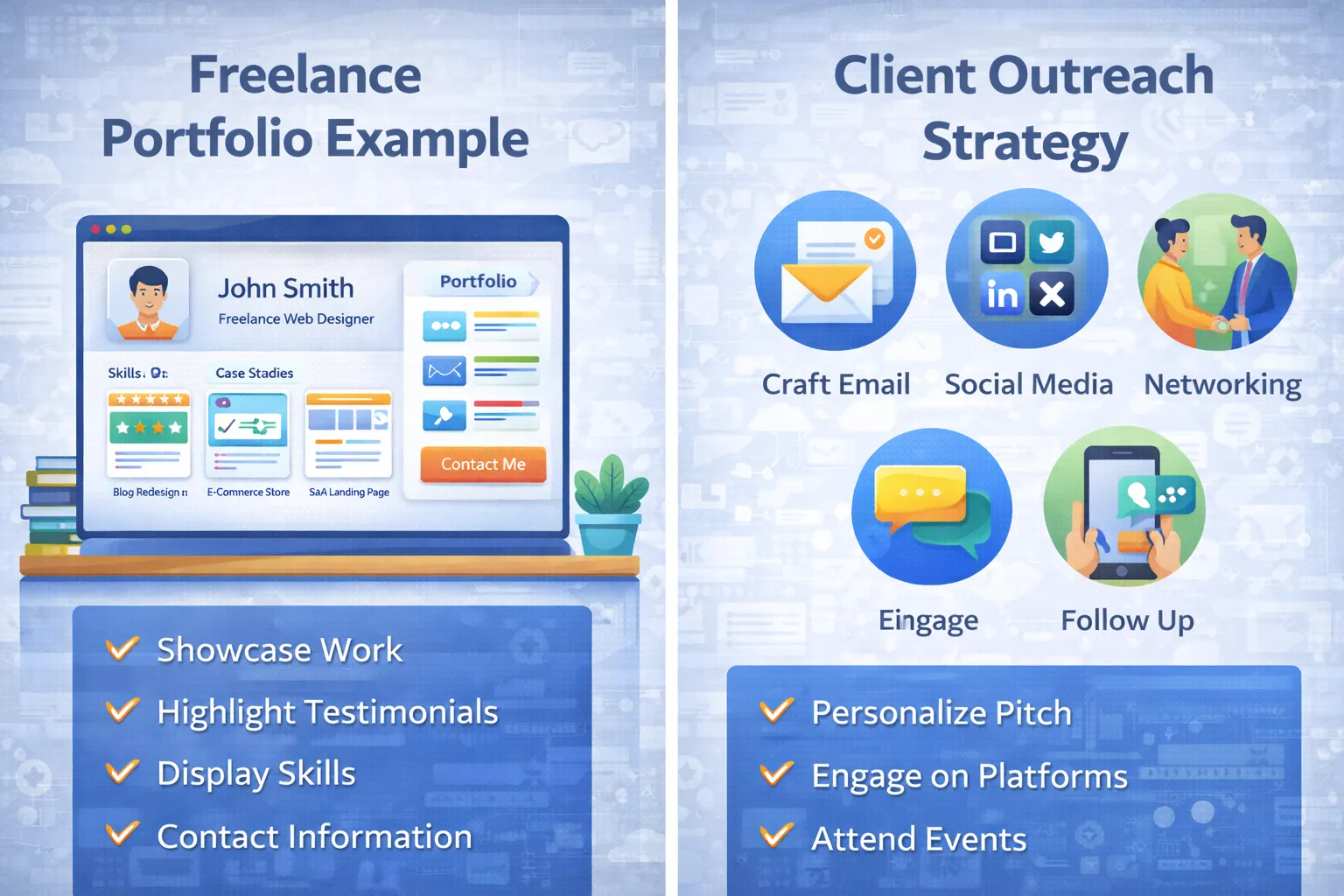
Free Resources
Access ready-made SEO and freelancing templates to work faster and smarter.
Download Templates →Tip 4: Use Freelance Platforms Wisely
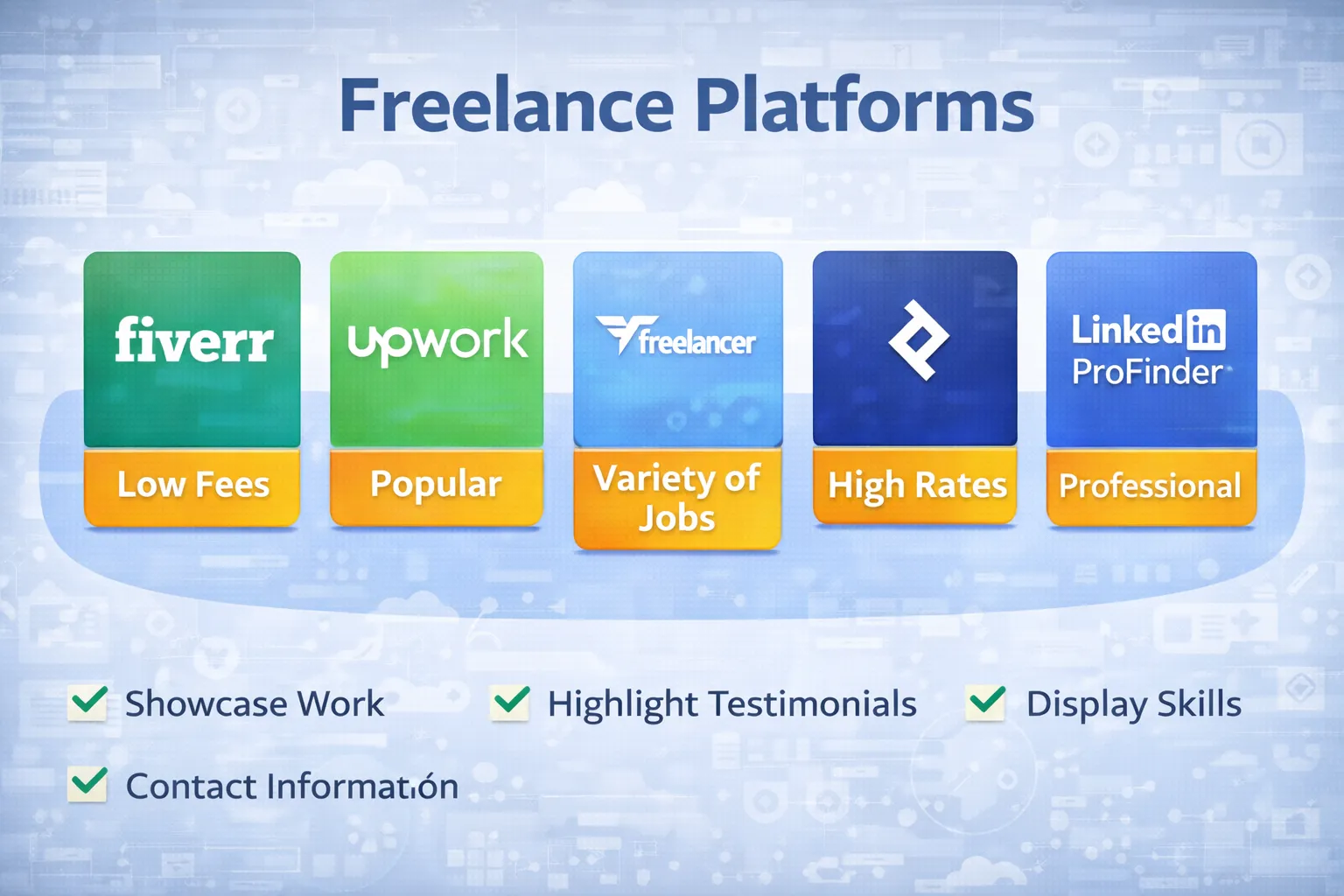
Freelance marketplaces like Upwork, Fiverr, and Freelancer.com can help you gain clients, but strategic use is crucial.
- Create optimized profiles with keywords relevant to your services.
- Start with smaller projects to build reviews, then scale up.
- Analyze competitors and market rates to set competitive pricing.
- Utilize platform analytics to refine your offerings.
Tip 5: Master Time Management
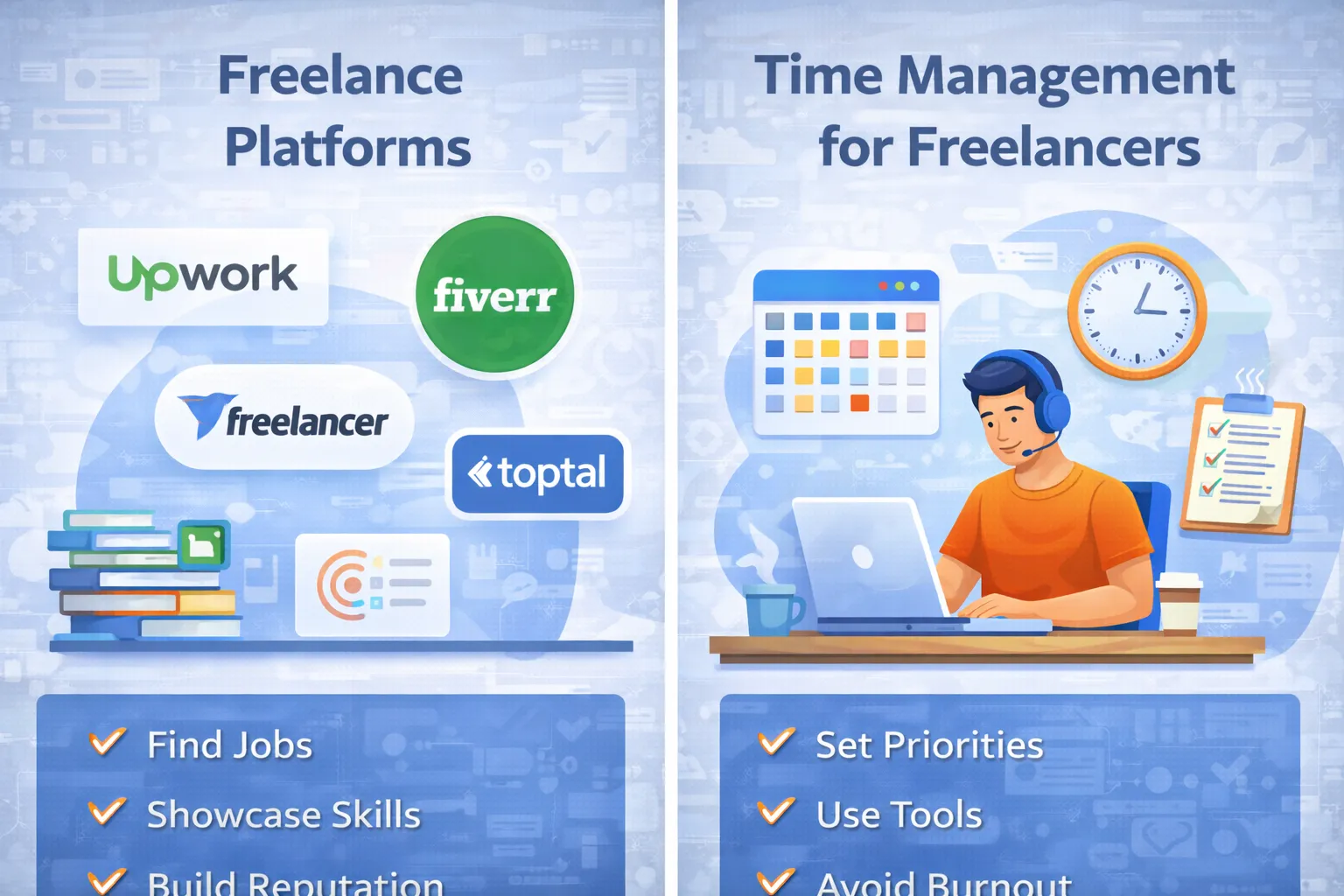
Freelancers must efficiently manage multiple clients and projects.
- Use tools like Toggl or Trello to track time and progress.
- Set realistic deadlines and buffer time for revisions.
- Prioritize high-value tasks and avoid multitasking distractions.
- Maintain a consistent work schedule to improve productivity.
Tip 6: Set Competitive Rates
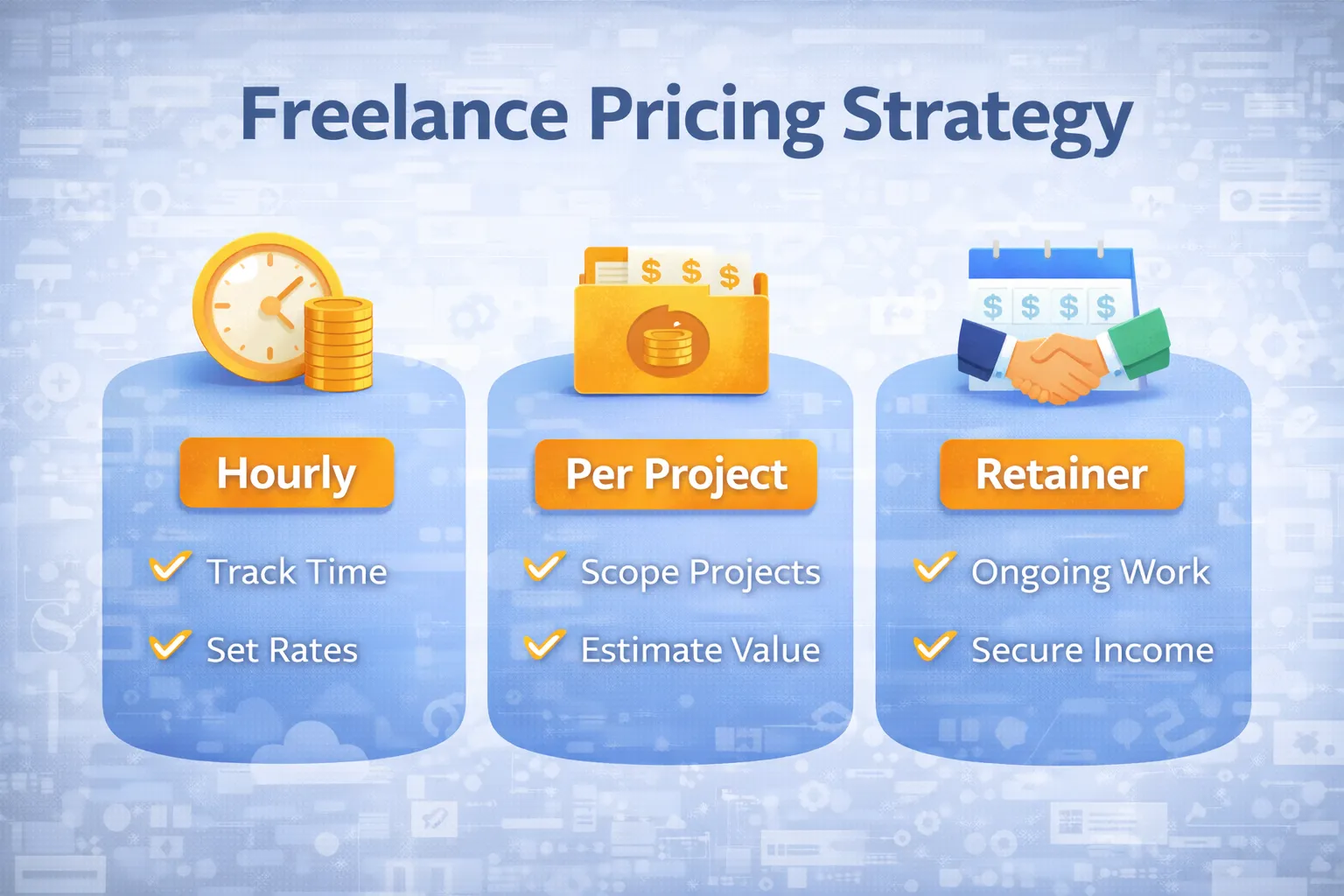
Pricing your services correctly ensures you attract clients while earning fairly.
- Research market rates for your niche using Upwork Rate Insights or Fiverr Pro.
- Consider value-based pricing instead of just hourly rates.
- Gradually increase rates as you gain experience and reviews.
Tip 7: Deliver Quality Work
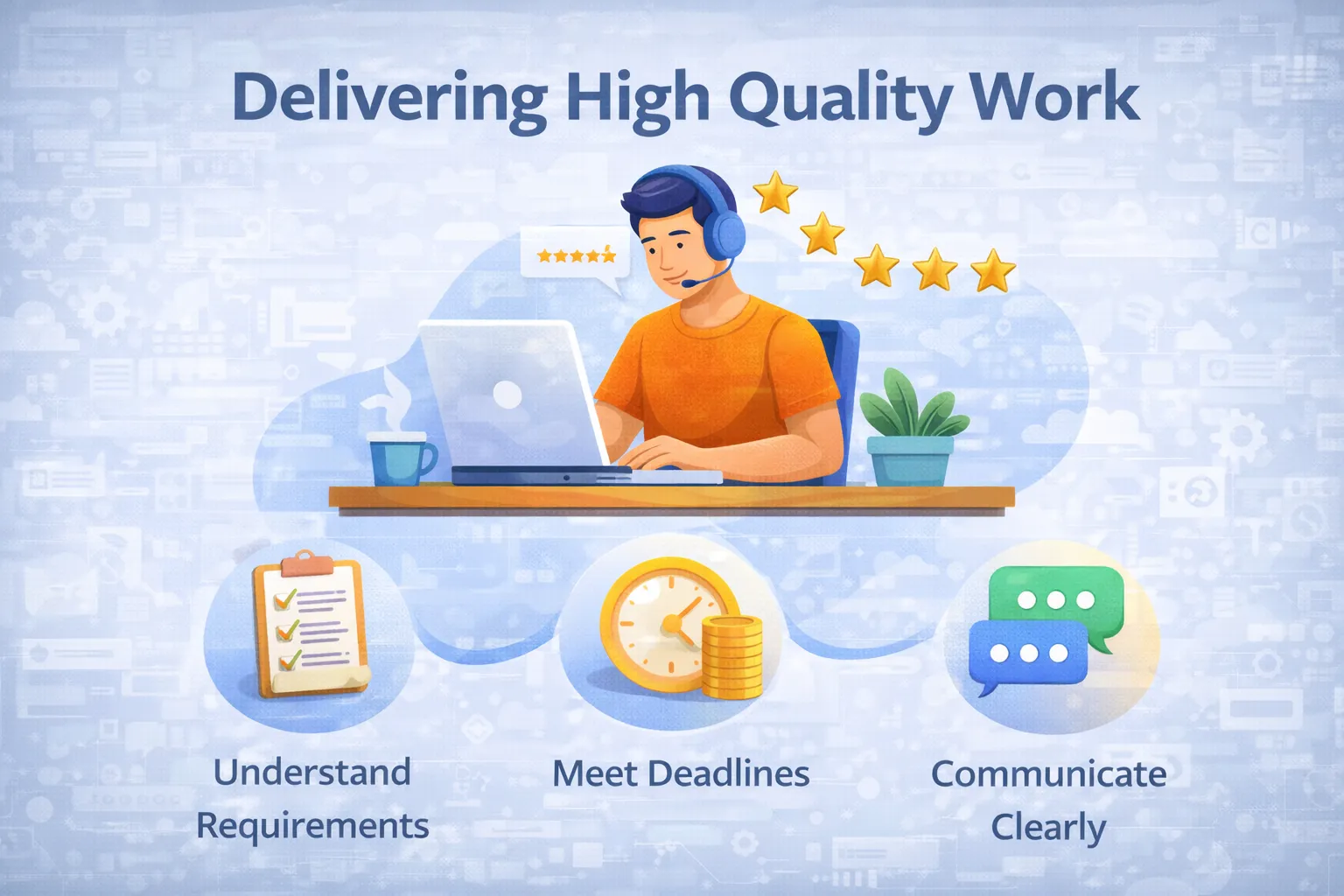
Consistently delivering high-quality work builds your reputation and encourages repeat clients.
- Understand client expectations clearly before starting projects.
- Maintain attention to detail and meet deadlines.
- Request feedback and incorporate improvements.
- Provide documentation or guides where applicable.
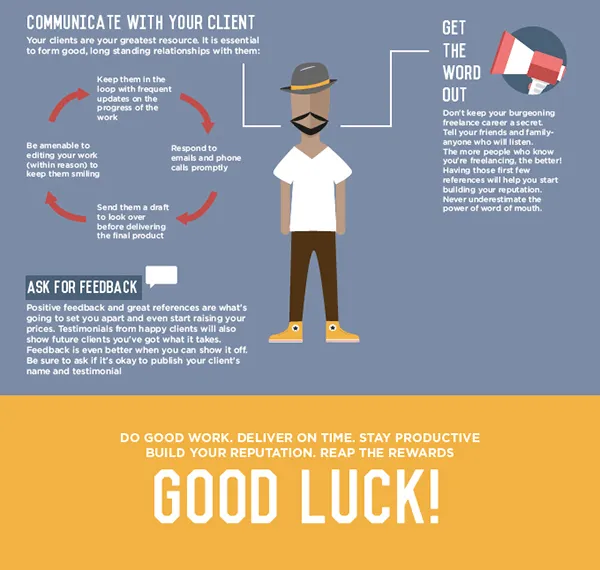
Tip 8: Communicate Professionally
Strong communication fosters trust and avoids misunderstandings.
- Respond promptly to emails and messages.
- Use clear, concise language and provide progress updates.
- Set expectations for revisions and deliverables upfront.
- Maintain a polite and solution-oriented tone, even with difficult clients.
Tip 9: Upskill & Stay Updated
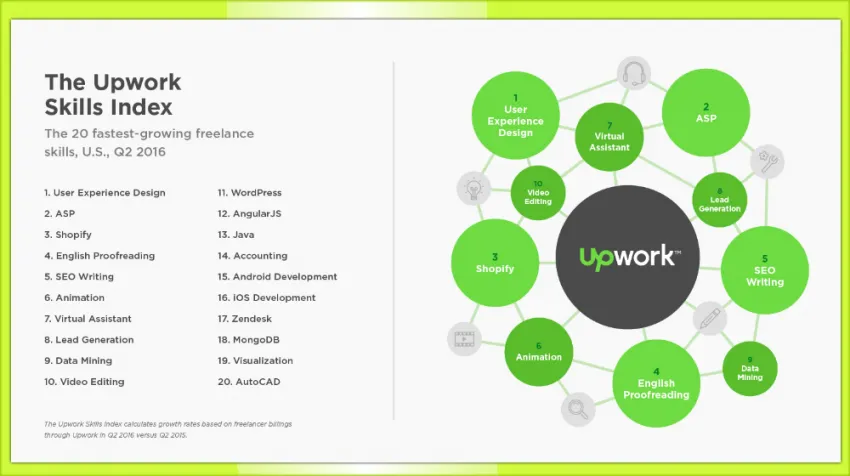
Freelancers need to continuously enhance skills to remain competitive.
- Take online courses on platforms like Coursera and Udemy.
- Follow industry blogs, podcasts, and communities.
- Learn new tools and technologies relevant to your niche.
- Experiment with personal projects to refine skills.
Tip 10: Build Long-Term Relationships
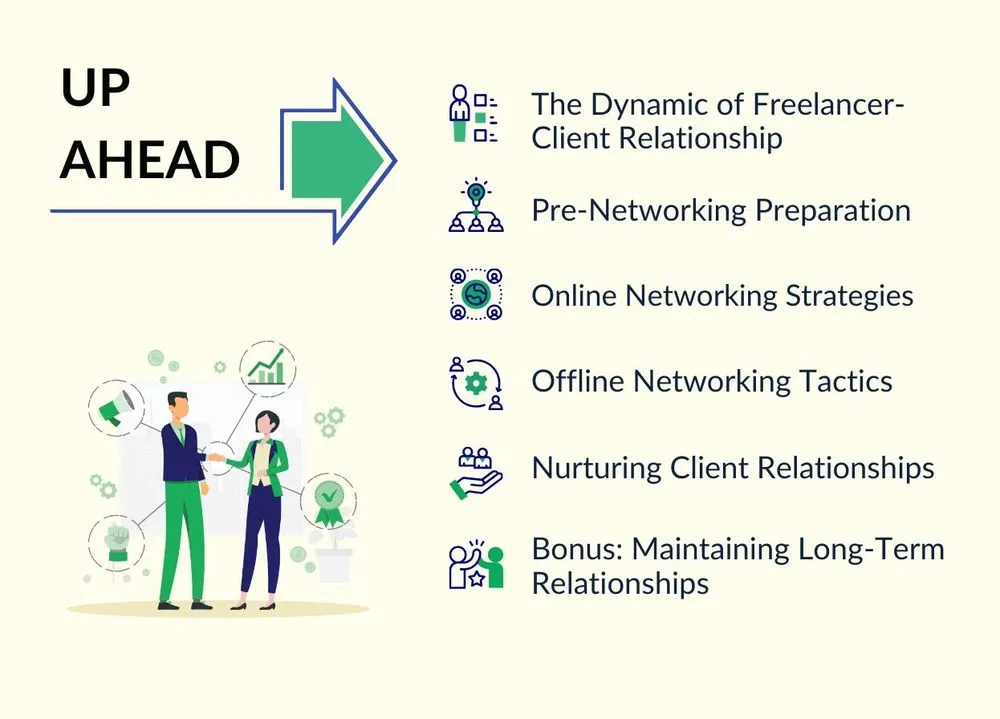
Returning clients and referrals are the backbone of a sustainable freelance business.
- Deliver exceptional service and maintain professionalism.
- Keep in touch with previous clients for potential projects.
- Offer value beyond project scope, e.g., insights or advice.
- Request testimonials to enhance credibility.
Recommended Tools & Resources
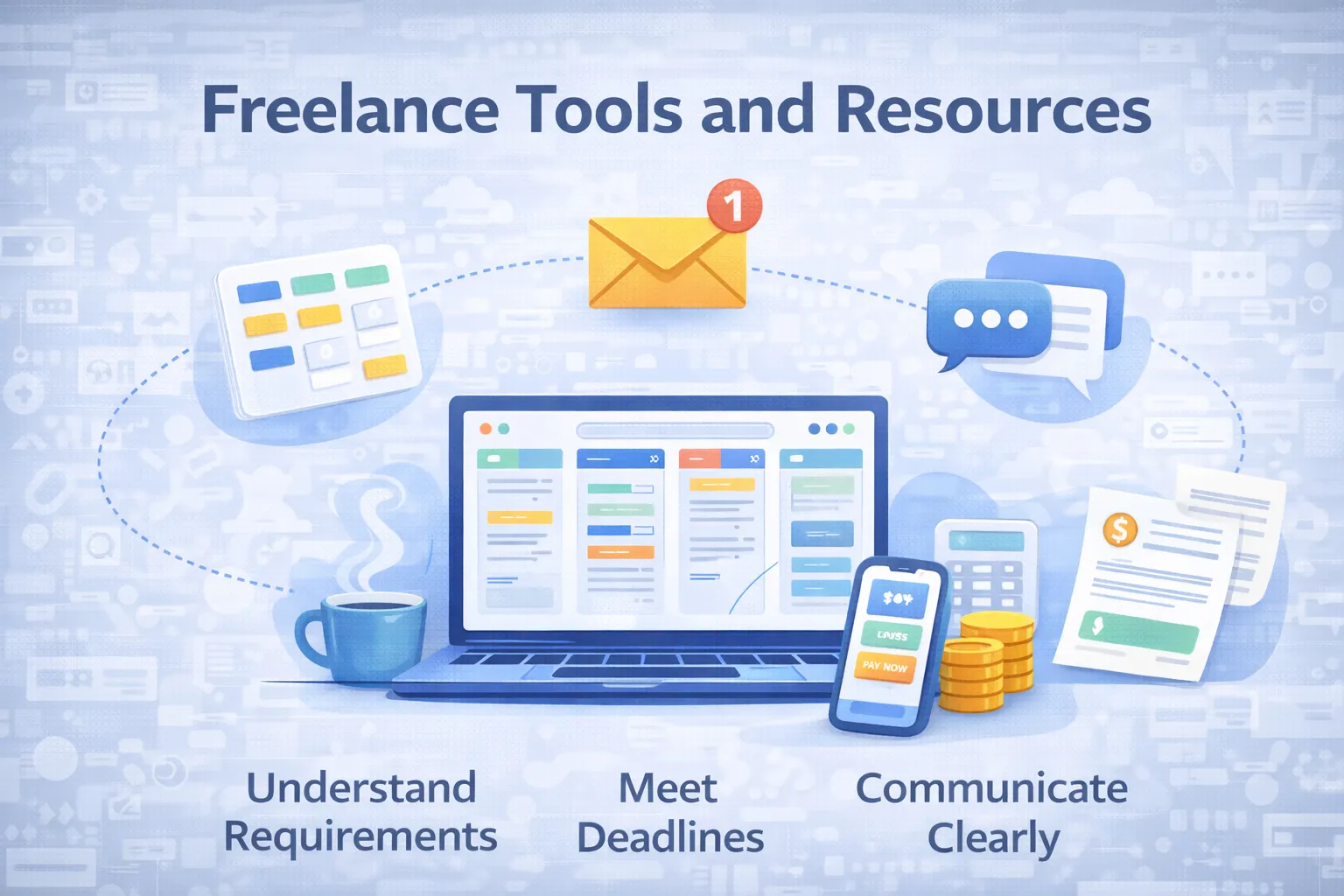
- Project Management: Asana, Trello
- Time Tracking: Toggl
- Design Tools: Canva, Adobe XD
- Freelance Communities: Reddit Freelance, Indie Hackers
Frequently Asked Questions About Freelancing
-
Q: How do I get my first freelance client?
A: Start by choosing a clear niche, creating a small but strong portfolio (even with sample or self-initiated projects), and reaching out to potential clients through freelance platforms, LinkedIn, cold emails, or referrals. -
Q: Do I need experience before starting freelancing?
A: No formal experience is required, but you do need practical skills. You can gain experience by doing personal projects, internships, volunteer work, or mock projects. -
Q: How much should I charge as a beginner freelancer?
A: Research market rates in your niche, start slightly competitive, and increase prices as you gain results, testimonials, and repeat clients. -
Q: Should I charge hourly or per project?
A: Beginners often start hourly, but project-based pricing is usually better long-term because it rewards efficiency and expertise. -
Q: Do I need a website to freelance?
A: A website is not mandatory, but it greatly improves credibility, allows you to showcase your portfolio, and helps clients trust you faster. -
Q: What should a freelance portfolio include?
A: Include your best work samples, a short bio, services offered, results achieved, testimonials, and clear contact information. -
Q: Which freelance platforms are best for beginners?
A: Platforms like Upwork, Fiverr, Freelancer, and PeoplePerHour are beginner-friendly when used strategically with optimized profiles. -
Q: How do I stand out on freelance platforms?
A: Use a niche-focused profile, write personalized proposals, show results instead of generic claims, and respond quickly to messages. -
Q: How important is niche selection in freelancing?
A: Very important. Specializing in a niche makes you easier to trust, easier to find, and allows you to charge higher rates. -
Q: Can freelancing be a full-time career?
A: Yes, many freelancers earn full-time and even six-figure incomes by building long-term clients and consistent systems. -
Q: How do I avoid low-paying clients?
A: Set minimum rates, qualify clients before starting, avoid vague job descriptions, and clearly define scope and expectations. -
Q: How do I write a winning freelance proposal?
A: Address the client’s problem directly, show understanding, explain your solution briefly, and include a clear call to action. -
Q: Should I work for free to build experience?
A: Limited free or discounted work is acceptable early on, but avoid long-term unpaid projects as they devalue your skills. -
Q: How do I manage multiple freelance clients?
A: Use project management tools, set clear deadlines, communicate proactively, and avoid overbooking yourself. -
Q: How can I improve client communication?
A: Be clear, professional, responsive, and honest. Regular updates and clear timelines build trust and reduce misunderstandings. -
Q: What tools do freelancers need?
A: Common tools include communication apps, project management software, invoicing tools, time tracking, and file-sharing platforms. -
Q: How do I handle difficult clients?
A: Stay professional, refer to the agreed scope, communicate calmly, and if needed, end the relationship respectfully. -
Q: Should I use contracts for freelance work?
A: Yes, contracts protect both you and the client by defining scope, payment terms, deadlines, and ownership rights. -
Q: How do freelancers get paid securely?
A: Use trusted platforms, invoices, milestones, escrow systems, or upfront payments to reduce payment risks. -
Q: How do I increase my freelance rates over time?
A: Increase rates gradually as your skills, results, demand, and reputation grow. -
Q: How can I build long-term freelance clients?
A: Deliver consistent quality, meet deadlines, communicate well, and suggest improvements proactively. -
Q: Is freelancing stable income-wise?
A: Freelancing can be unstable initially, but stability improves with recurring clients, retainers, and diversified income sources. -
Q: How do I deal with burnout as a freelancer?
A: Set work boundaries, schedule breaks, avoid overworking, and maintain a healthy work-life balance. -
Q: How many hours should freelancers work per day?
A: Quality matters more than hours. Many successful freelancers work 4–6 focused hours daily. -
Q: Do freelancers need to pay taxes?
A: Yes, freelancers are responsible for managing and paying their own taxes based on local regulations. -
Q: Can freelancers work internationally?
A: Yes, freelancing allows you to work with clients worldwide, often earning in stronger currencies. -
Q: How do I protect my freelance work from misuse?
A: Use contracts, watermark samples, deliver final files after payment, and clarify ownership rights. -
Q: How do I upskill as a freelancer?
A: Continuously learn through courses, practice, industry blogs, and real client feedback. -
Q: Is freelancing suitable for students?
A: Yes, freelancing is ideal for students because it offers flexible schedules and real-world experience. -
Q: What is the biggest mistake new freelancers make?
A: Underpricing, lack of focus, poor communication, and treating freelancing casually instead of as a business. -
Q: Can freelancing turn into an agency or business?
A: Yes, many freelancers scale into agencies by outsourcing work and building teams. -
Q: Is freelancing worth it long-term?
A: Yes, freelancing offers flexibility, income potential, and independence when treated as a serious career.
Conclusion
Freelancing in 2025 is no longer about just having a skill—it is about running a professional, scalable business. As competition increases and clients become more selective, success depends on strategy, consistency, and value delivery. Freelancers who treat their work seriously, communicate clearly, and focus on long-term growth consistently outperform those chasing quick wins.
By choosing a clear niche, you position yourself as a specialist rather than a generalist, making it easier to attract high-quality clients. A strong portfolio backed by real results builds instant credibility, while transparent pricing and professional outreach create trust from the first interaction. Time management, clear workflows, and the right tools allow you to deliver work efficiently without burnout.
Quality remains the biggest differentiator in the freelance marketplace. Consistently delivering excellent work, meeting deadlines, and exceeding expectations leads to repeat clients, referrals, and stable income. At the same time, continuous upskilling ensures you stay relevant as industries, tools, and client demands evolve.
Freelancing is not an overnight success model—but for those who commit to improvement, learning, and professionalism, it offers unmatched freedom, income potential, and career control. Apply these freelance tips with discipline, track your progress, refine your approach, and you can build a sustainable, profitable freelance career that grows year after year.